

What Are Genes? A Beginner’s Guide to Genetics
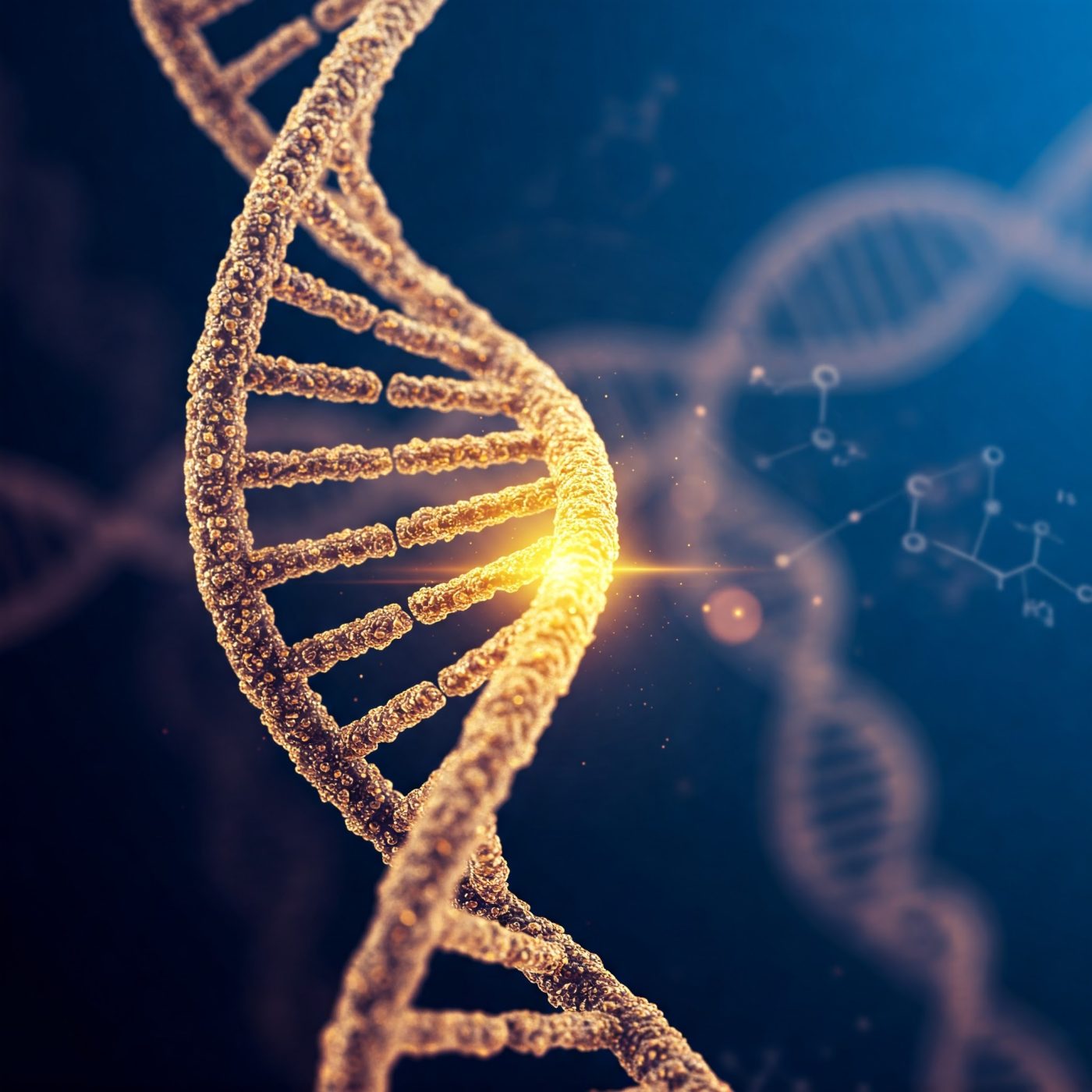
Genes are the basic units of heredity in living organisms. They carry the instructions needed for the development, functioning, growth, and reproduction of all living things. Let’s break it down:
1. What Are Genes Made Of?
Genes are made of DNA (deoxyribonucleic acid), a long, twisted molecule shaped like a double helix. DNA contains a sequence of four chemical bases:
- Adenine (A)
- Thymine (T)
- Cytosine (C)
- Guanine (G)
The order of these bases forms the genetic code, which serves as a set of instructions for building and maintaining an organism.
2. Where Are Genes Found?
Genes are located on chromosomes, thread-like structures inside the nucleus of cells. Humans typically have 23 pairs of chromosomes, and each chromosome contains hundreds to thousands of genes.
3. What Do Genes Do?
Genes are like recipes that instruct cells on how to produce specific proteins. These proteins play a crucial role in:
- Building and repairing tissues.
- Regulating bodily processes (e.g., digestion, immunity).
- Determining traits like eye color, height, and even susceptibility to certain diseases.
4. How Are Genes Inherited?
Genes are passed from parents to offspring. Each parent contributes half of their genes to their child, which is why you inherit traits from both sides of your family.
5. Different Types of Genes
- Structural Genes: Code for proteins that form the body’s structures.
- Regulatory Genes: Control when and how much protein is made.
- Non-Coding DNA: While not genes, these regions play essential roles in gene regulation and stability.
6. Mutations and Variation
Sometimes, changes occur in the DNA sequence of a gene, called mutations. While some mutations can lead to genetic disorders, others can result in beneficial variations, contributing to evolution and diversity.
7. Why Are Genes Important?
Understanding genes helps us:
- Discover treatments for genetic diseases.
- Develop personalized medicine.
- Understand the principles of inheritance and evolution.
- Enhance crops and livestock through genetic engineering.
8. What Is Genetics?
Genetics is the branch of science that studies genes, heredity, and genetic variation. It’s a field that explains how traits are passed down and how they affect individuals and populations.
In summary, genes are the blueprints of life. They determine who we are, how we look, and how our bodies function. Advances in genetic research are unlocking new ways to improve health and understand life’s complexities.
Discover how small changes can lead to big results with MyBest Health App. From personalized wellness tips to expert-curated content on longevity, the app offers everything you need to thrive. Download it now and start your journey to a healthier, more vibrant life!