

The Relationship Between Genes and Longevity: Unlocking the Secrets of a Longer Life
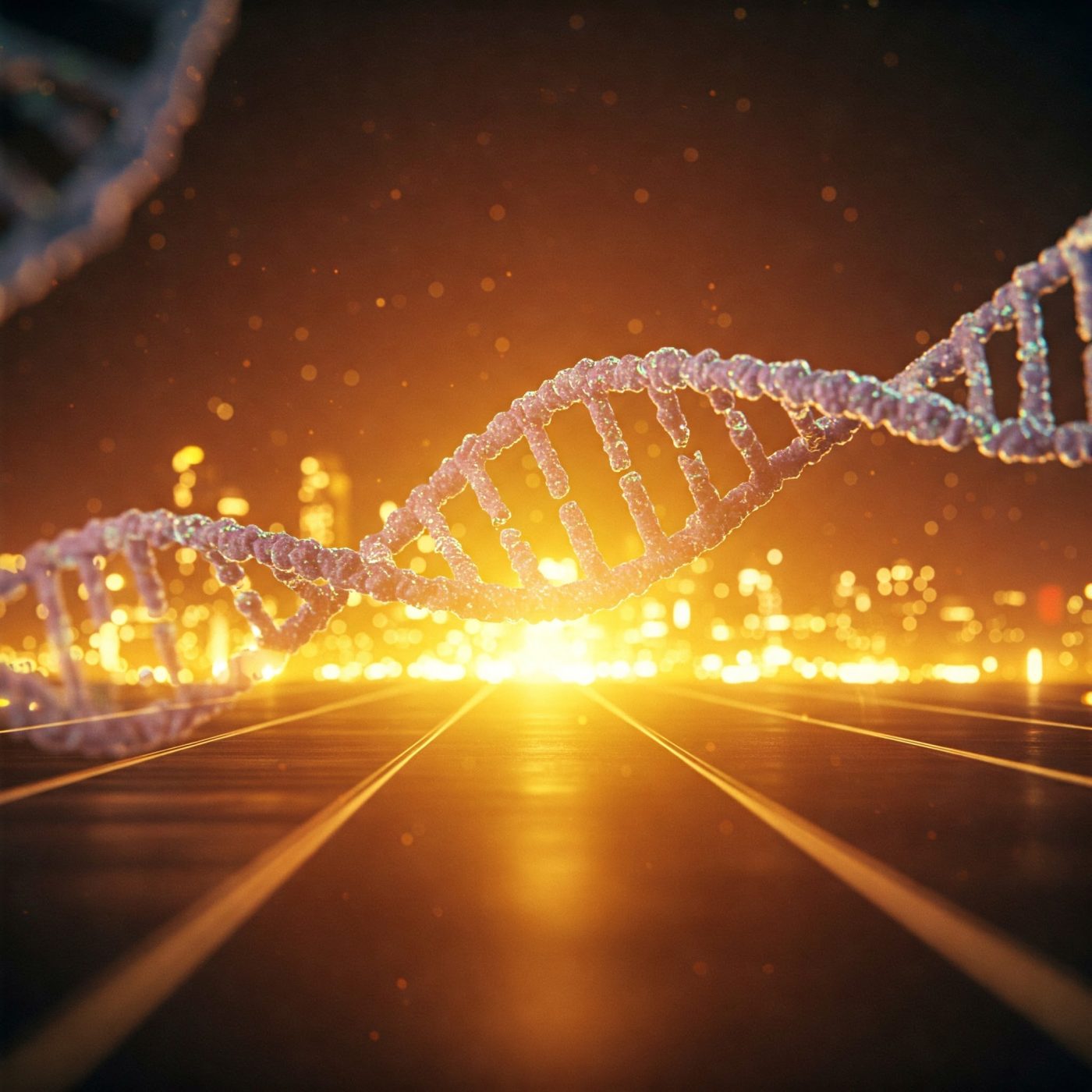
Have you ever wondered why some people live well past 100 years while others face health challenges earlier in life? The answer lies, in part, in our genes. While lifestyle choices like diet, exercise, and stress management play a significant role in determining our lifespan, genetics also has a profound impact on how long we live and how well we age. Let’s explore the fascinating connection between genes and longevity.
What Are Longevity Genes?
Longevity genes are specific genes that influence lifespan and contribute to a person’s ability to age healthily. These genes can affect:
- Cellular repair mechanisms: Ensuring cells can fix damage caused by stress or environmental factors.
- Metabolism: Regulating how efficiently the body uses energy.
- Immune response: Protecting the body from disease and infection.
- Resistance to stress: Enhancing the body’s ability to handle oxidative stress and inflammation.
One well-known example is the FOXO3 gene, which has been associated with increased lifespan and resilience against age-related diseases like cardiovascular disease and cancer.
Genetic Factors That Influence Longevity
- DNA Repair and Stability: Over time, DNA can accumulate damage due to environmental factors or natural aging processes. Genes that support efficient DNA repair—like those in the SIRT (sirtuin) family—help protect against cellular aging and dysfunction.
- Metabolism and Energy Efficiency: Genes involved in metabolism, such as APOE and MTOR, play critical roles in how the body processes nutrients. Variants of these genes can influence susceptibility to metabolic conditions like diabetes or obesity, which can impact lifespan.
- Oxidative Stress Resistance: Oxidative stress damages cells and accelerates aging. Genes like GST (glutathione S-transferase) help the body neutralize harmful free radicals, reducing the impact of oxidative stress on the body.
- Immune System Regulation: The ability of the immune system to fight disease diminishes with age. Genetic variants that enhance immune function, such as those influencing inflammation, can contribute to longer, healthier lives.
The Role of Genetics vs. Lifestyle
While genes play a critical role in longevity, they are only part of the equation. Research suggests that genetics accounts for about 20-30% of an individual’s lifespan, with lifestyle and environmental factors making up the rest. This means that even if you don’t have a family history of exceptional longevity, healthy habits can significantly extend your life and improve its quality.
Can We Alter Our Longevity Genes?
While we can’t change the genes we inherit, we can influence how they are expressed through epigenetics. Epigenetics refers to the way environmental and lifestyle factors can turn genes on or off without altering the DNA sequence itself. Here’s how you can positively influence your genes:
- Follow a Healthy Diet:
- Eat antioxidant-rich foods (berries, leafy greens, nuts) to combat oxidative stress.
- Include healthy fats, like omega-3s, to support cellular health.
- Exercise Regularly: Physical activity has been shown to improve gene expression related to metabolism and stress resistance.
- Manage Stress: Chronic stress can negatively impact gene expression. Practices like meditation, yoga, and mindfulness can help.
- Prioritize Sleep: Quality sleep is essential for DNA repair and maintaining optimal gene function.
- Avoid Smoking and Limit Alcohol: These habits can accelerate DNA damage and reduce the efficiency of longevity genes.
The Future of Longevity Science
Advances in genetic research and biotechnology are paving the way for exciting possibilities. Scientists are studying gene-editing tools like CRISPR to repair or enhance genes associated with aging. Additionally, personalized medicine based on genetic testing can help individuals make targeted lifestyle changes to maximize their lifespan.
Conclusion
While we may not control the genes we inherit, understanding their role in longevity can empower us to make choices that enhance our lives. By adopting healthy habits and staying informed about advances in genetic science, we can all work toward a longer, healthier future. After all, the journey to longevity is as much about how we live as it is about how long we live.
Take your wellness journey to the next level with MyBest Health App. Get personalized recommendations, expert tips, articles, videos, and audiobooks on wellness and longevity, all tailored to your needs. Download the app today and unlock the secrets to a healthier, longer life!